
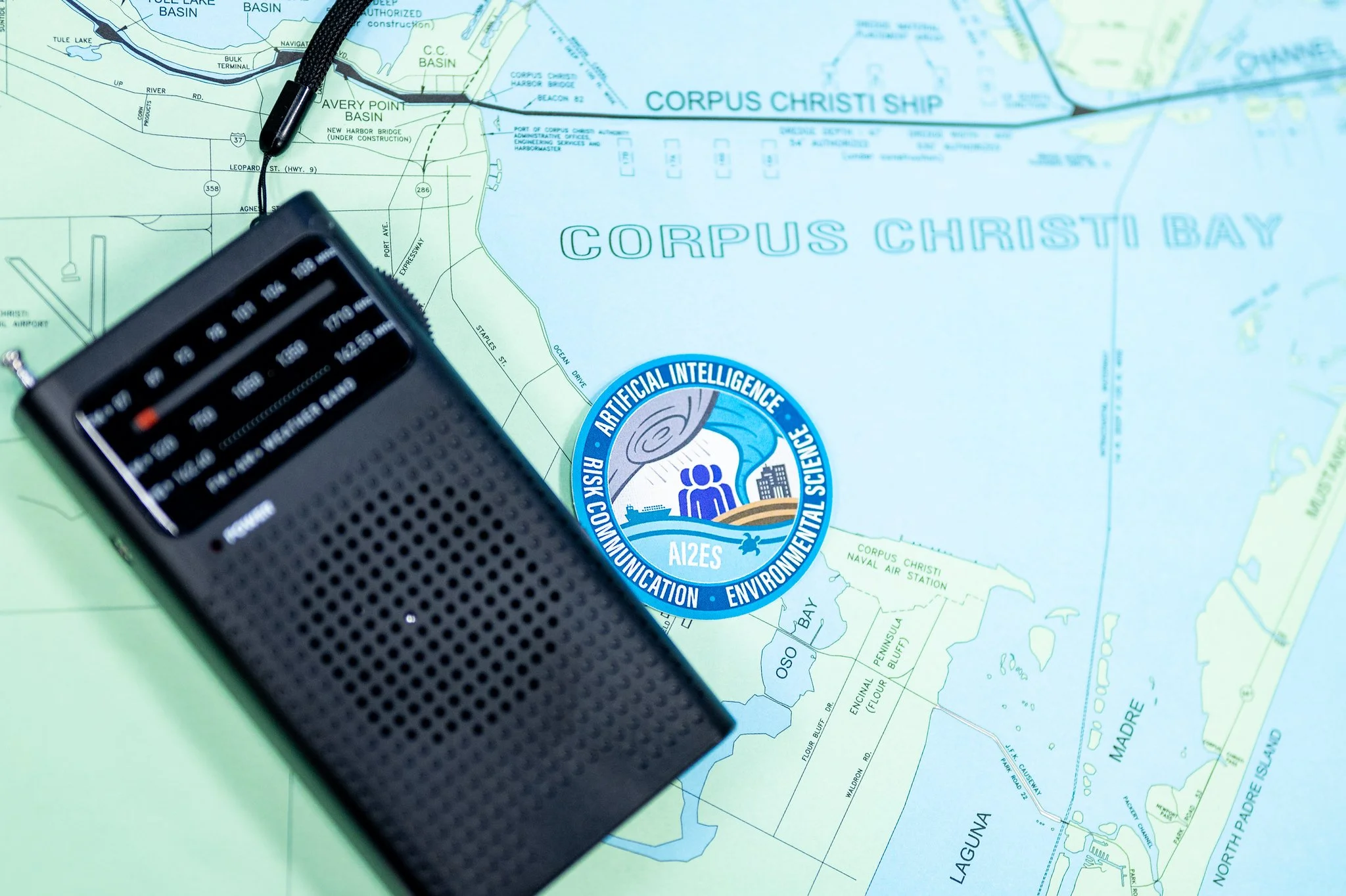
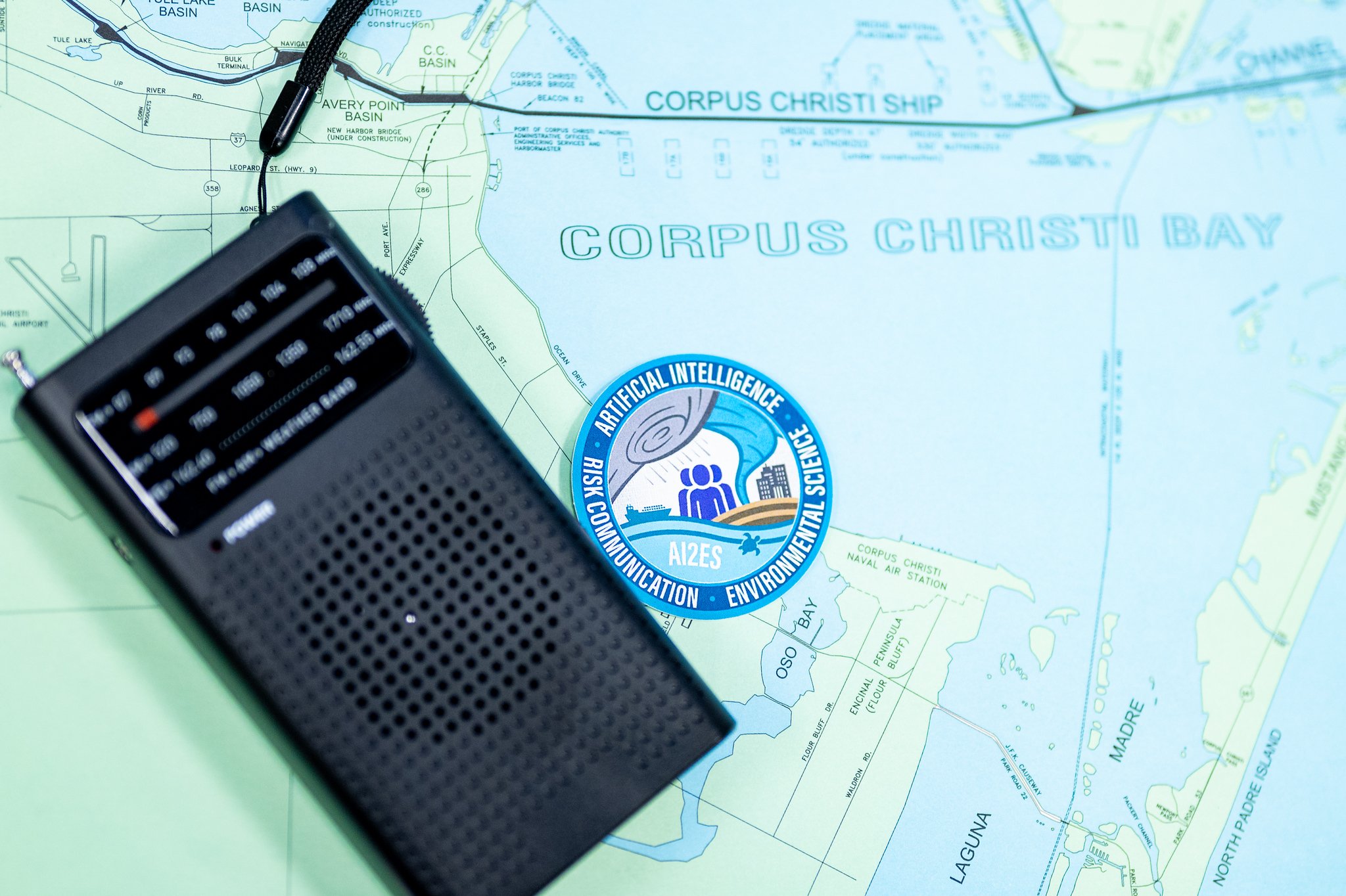
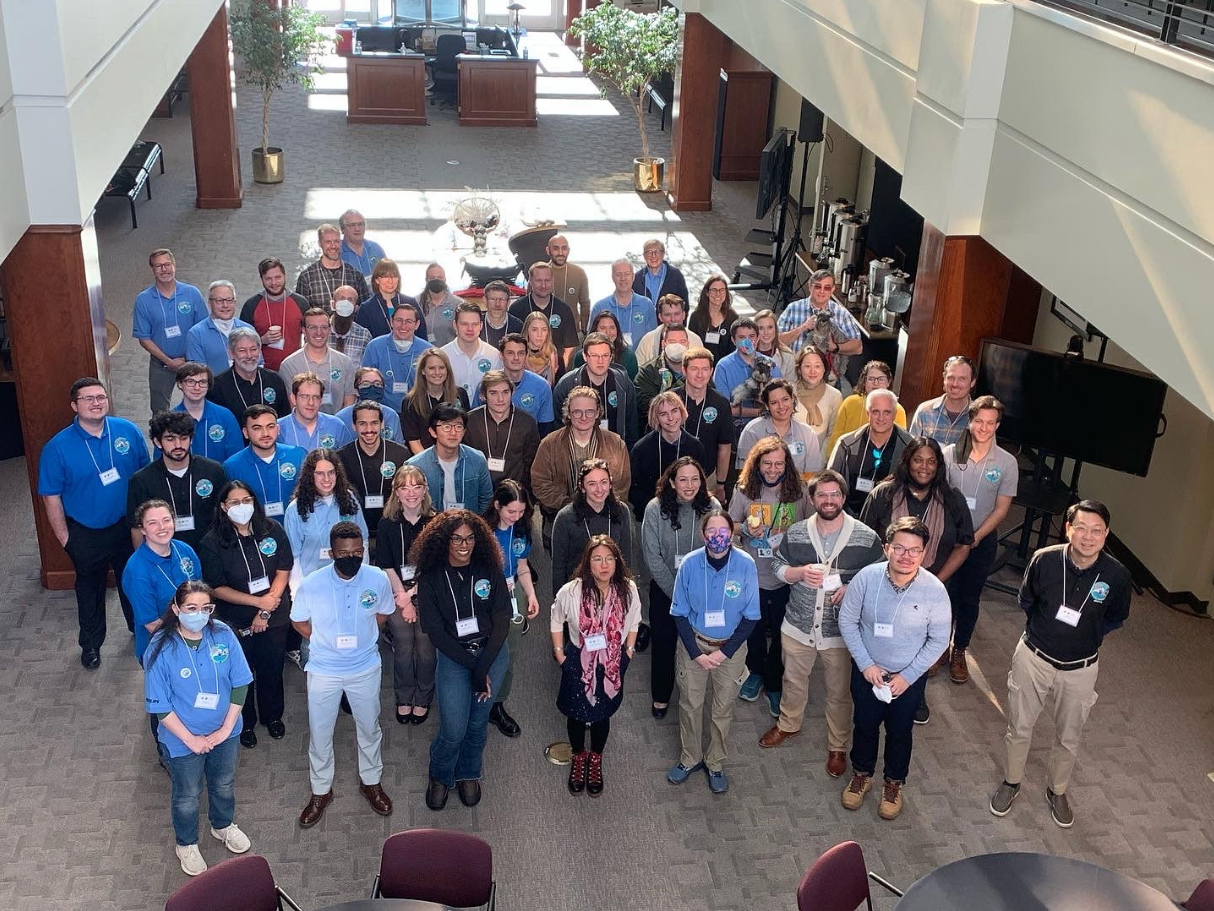
From forecasting coastal inundation and marine conservation to student achievement, AI2ES leaves a lasting legacy of scientific discovery, collaboration, and innovation.
Six years of groundbreaking research, technological innovation, and student achievement have culminated in a lasting legacy for the Conrad Blucher Institute for Surveying and Science (CBI) at Texas A&M University-Corpus Christi (TAMU-CC).
CBI recently concluded its participation in the National Science Foundation (NSF) AI Institute for Research on Trustworthy AI in Weather, Climate, and Coastal Oceanography (AI2ES), a $20 million national initiative led by the University of Oklahoma to advance the use of trustworthy artificial intelligence (AI) in environmental science.
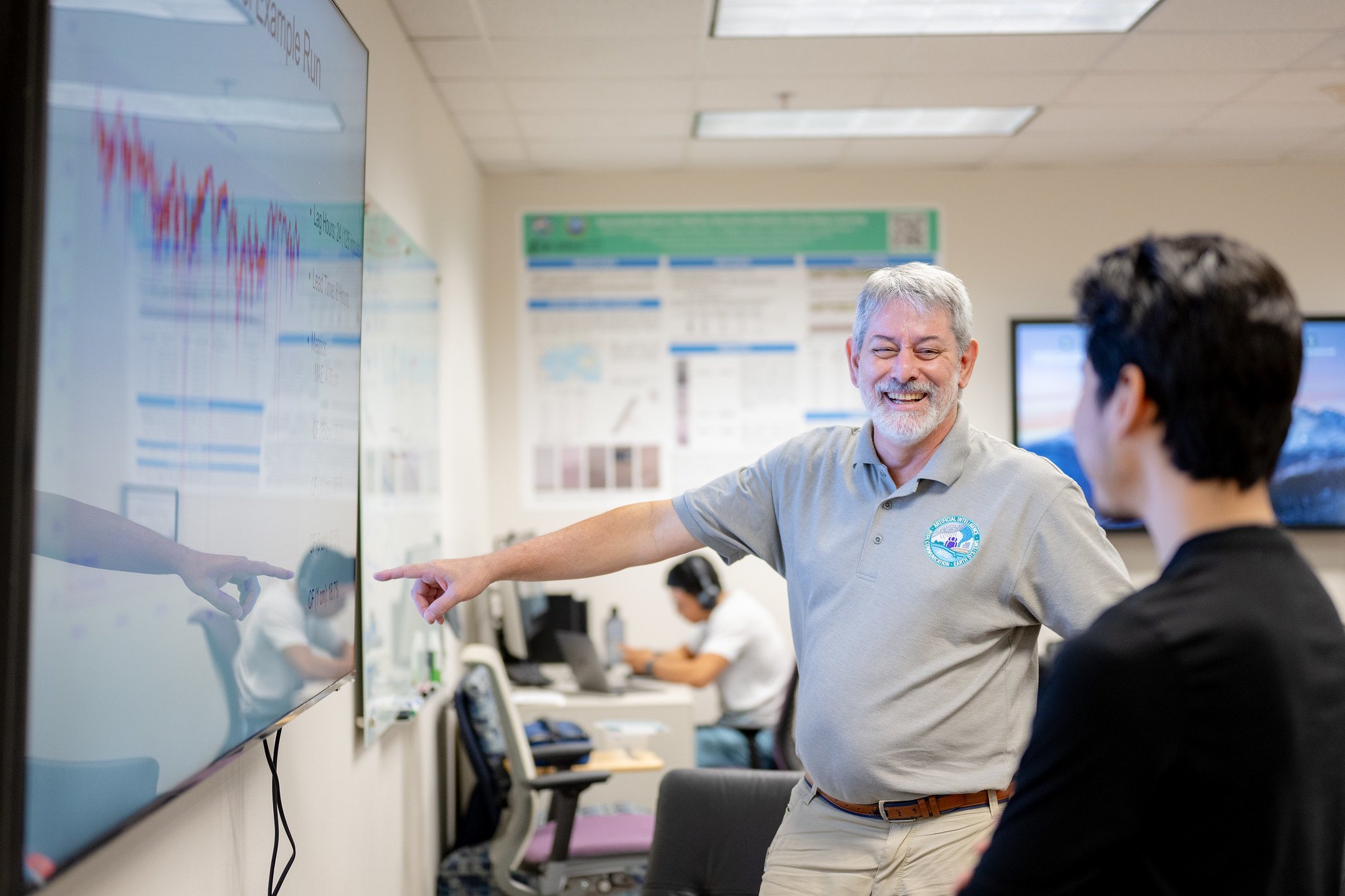
Under the leadership of Dr. Philippe Tissot, AI2ES Co-Principal Investigator and CBI Chair for Coastal AI, the university's research team helped develop practical AI applications addressing coastal flooding, hazardous weather conditions and marine conservation while creating valuable research opportunities for students.
A National Initiative with Coastal Bend Roots
Selected with its partners as one of the five NSF's inaugural National Artificial Intelligence Research Institutes, TAMU-CC was the only R2 research institution represented at the Co-PI level among the inaugural institutes. Through CBI's Coastal Dynamics Lab, researchers contributed expertise in the development of AI for coastal challenges and environmental modeling with stakeholders while collaborating with institutions across the U.S. to develop more accurate and actionable environmental predictions.
Advancing AI for Real-World Coastal Challenges
Throughout AI2ES, CBI researchers developed innovative approaches to environmental forecasting, demonstrating how AI can help coastal communities better understand and prepare for natural hazards:
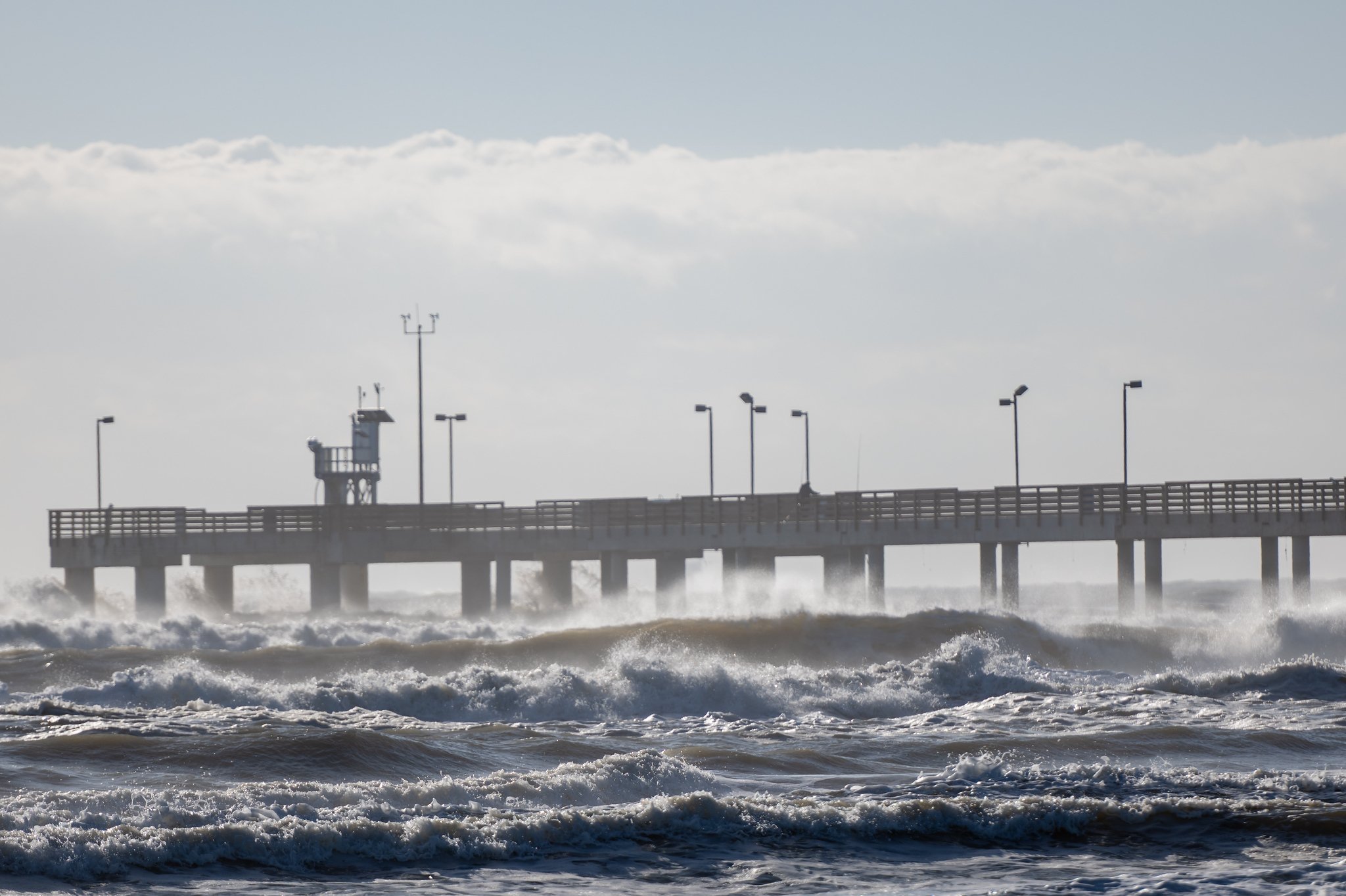
Coastal flooding
Researchers developed machine-learning methods to predict coastal water levels, including at locations with limited historical observations, and worked with stakeholders, Texas Sea Grant, and a private sector startup to deploy low-cost sensors in flood-prone areas. Using camera observations and ground surveys, the team also developed methods to establish flooding thresholds on coastal roads to measure total water levels along beaches, revealing the importance of wave conditions and compound flooding in understanding coastal inundation beyond traditional tidal measurements.
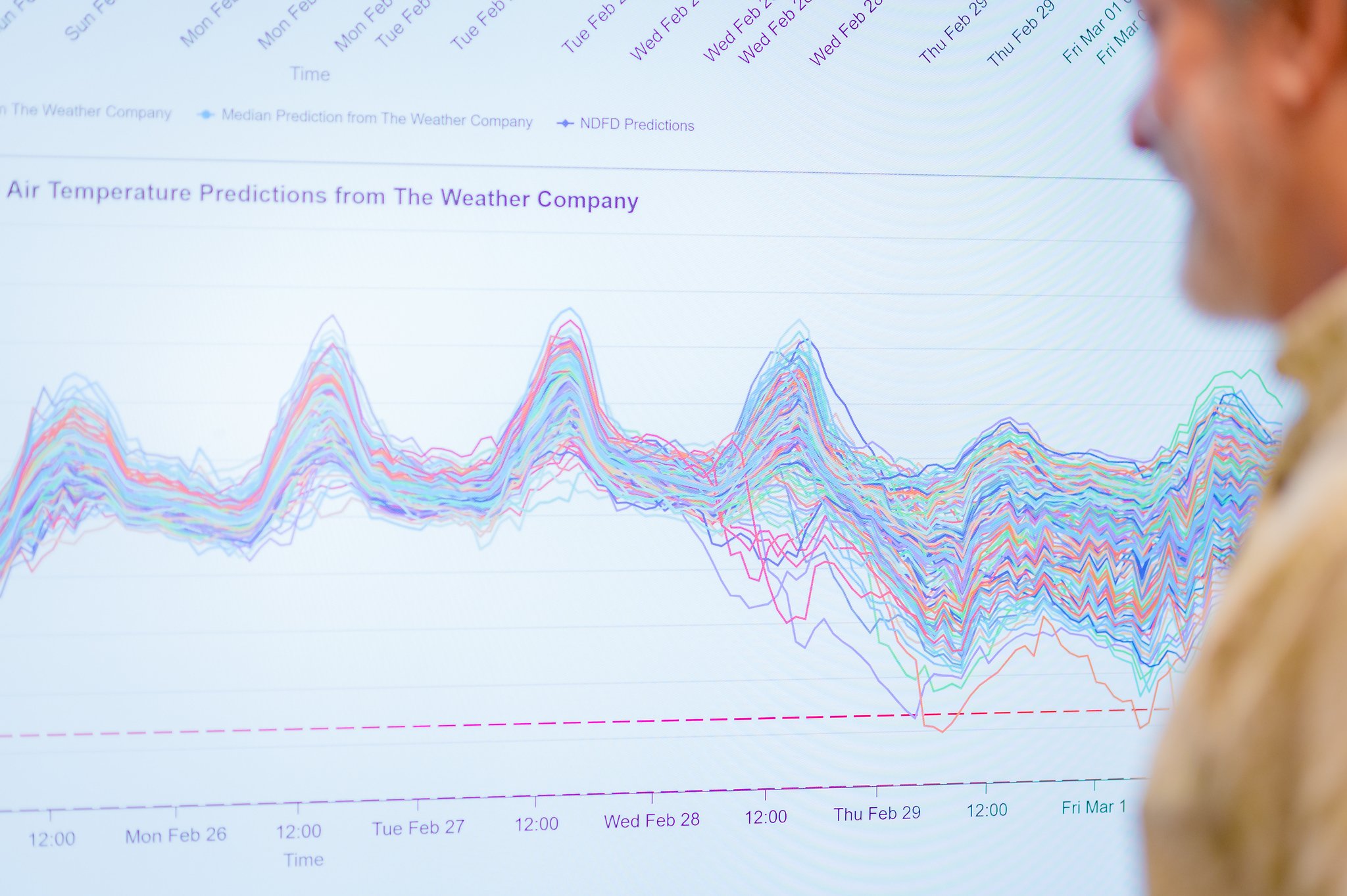
Marine conservation
To help address cold-stunning events that threaten sea turtles and fish, researchers advanced AI models that predict dangerous water-temperature conditions while developing estimates of forecasts uncertainty. Thanks to the work of another group of CBI AI2ES students, the cold stunning prediction models were deployed operationally and are ready for the 2026-2027 cold season. Interviews with coastal stakeholders also helped researchers understand how predictive information is interpreted and used in environmental decision-making.
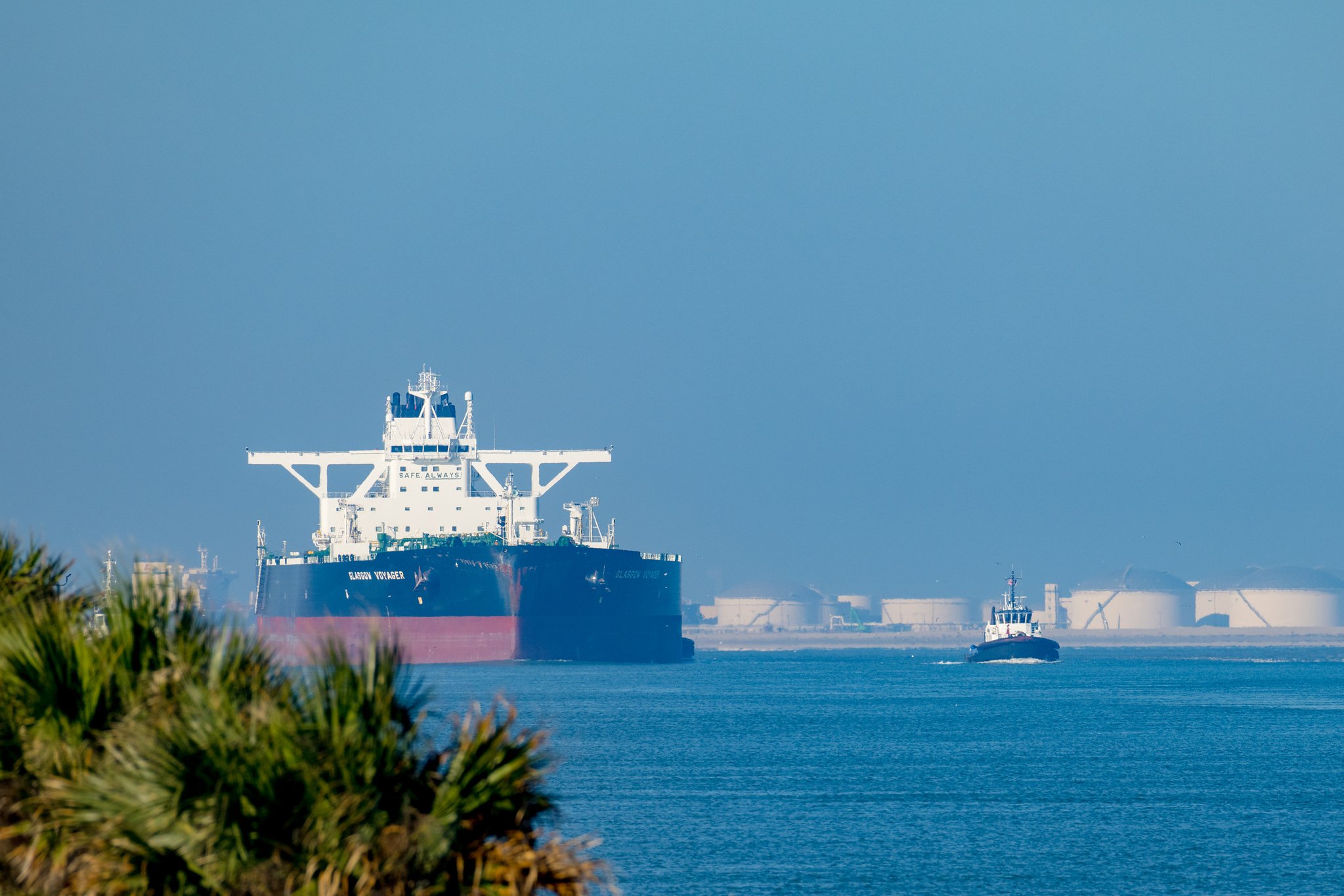
Coastal fog forecasting
Researchers developed and evaluated deep-learning models, including FogNet, to predict fog and visibility conditions using atmospheric and oceanographic data. Their findings demonstrated that incorporating established physical science to guide the architecture of AI models significantly improved forecasting performance, offering potential benefits for maritime operations and other coastal activities.
Throughout these efforts, the team helped advance the broader mission of trustworthy AI by developing predictions that are not only scientifically sound, but also understandable and useful to the people who rely on them.
Investing in the Next Generation of Scientists
Among AI2ES's most significant achievements was its investment in developing future scientists and expanding research opportunities for students in the Coastal Bend.
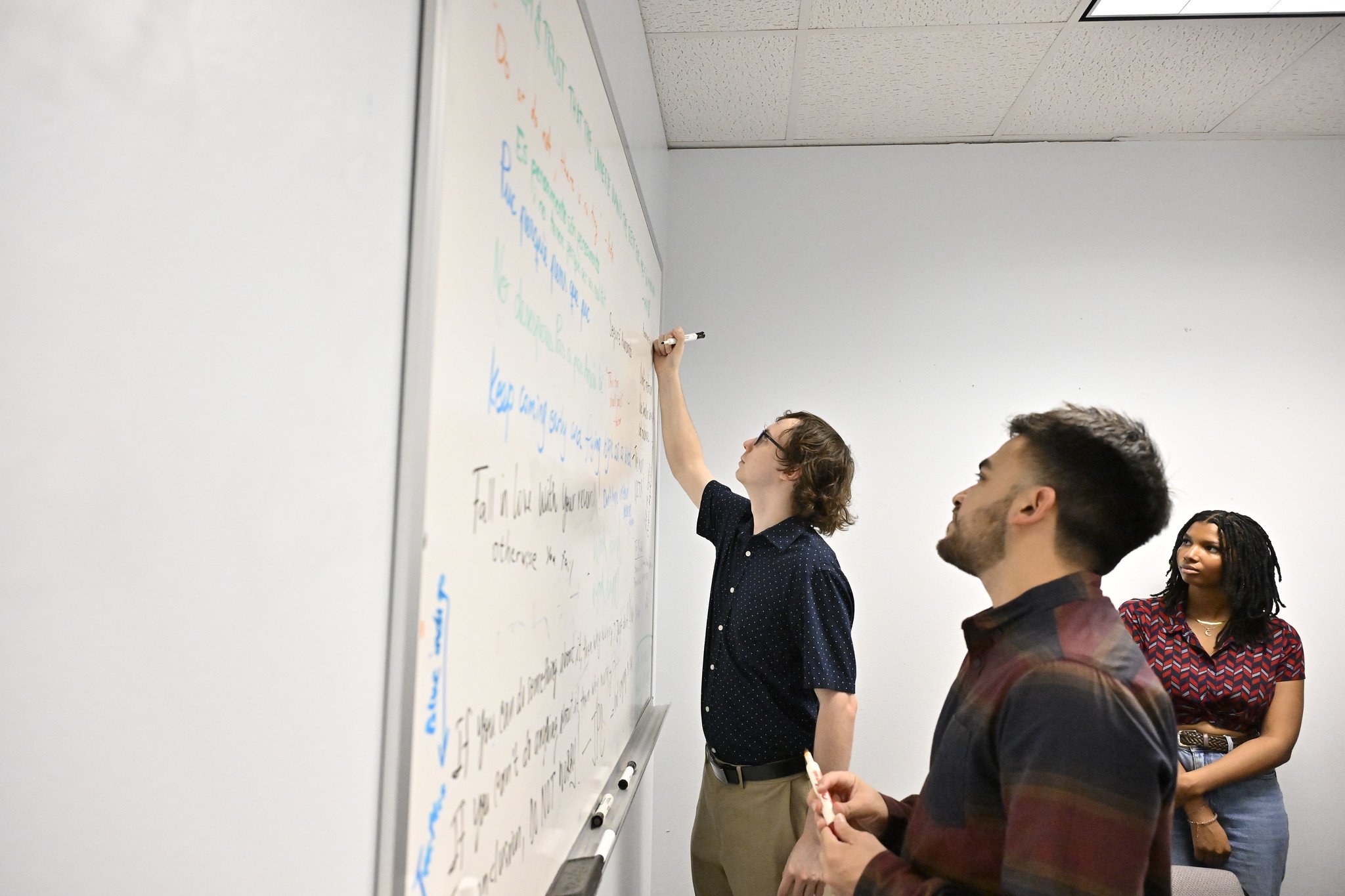
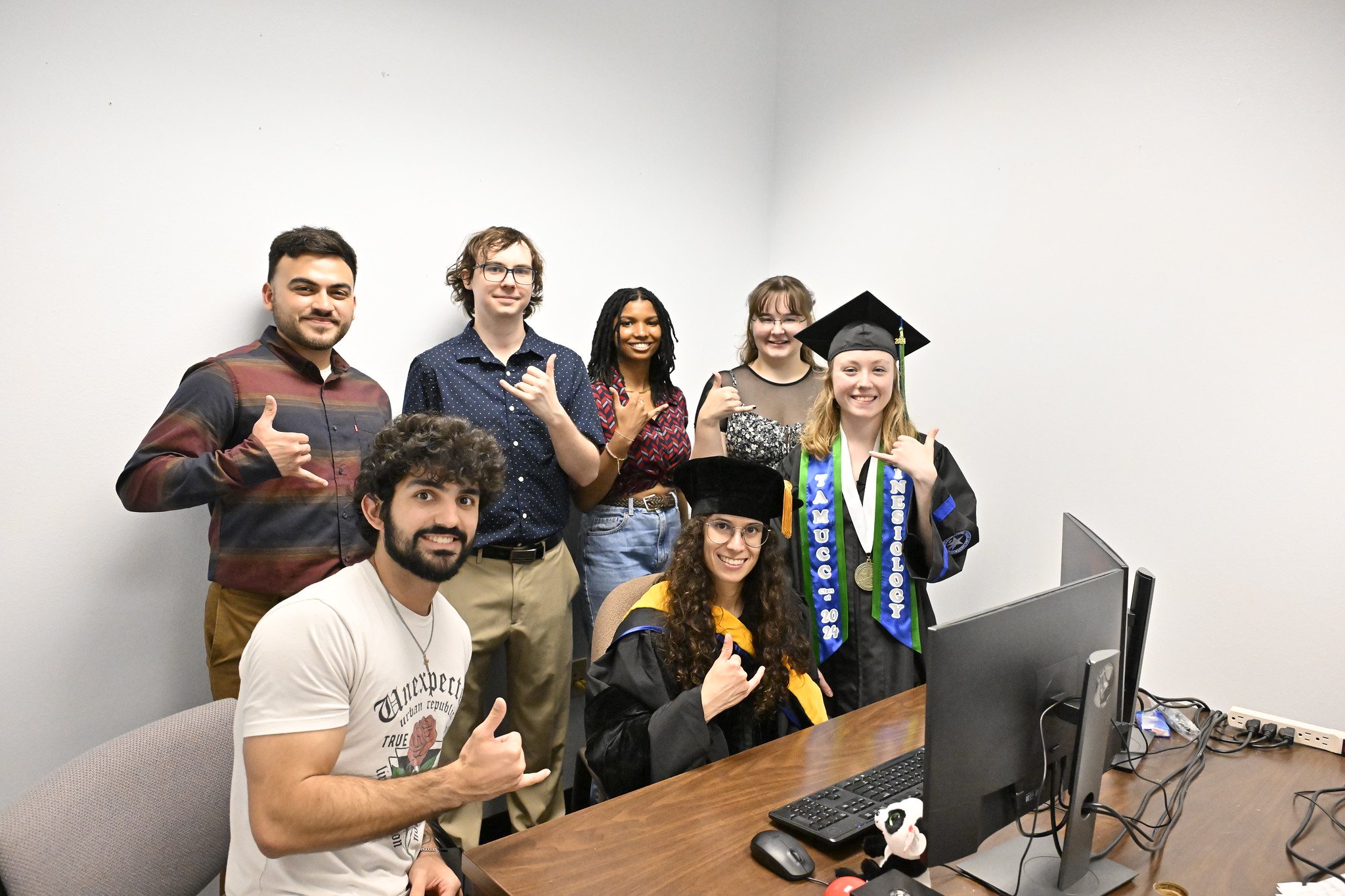
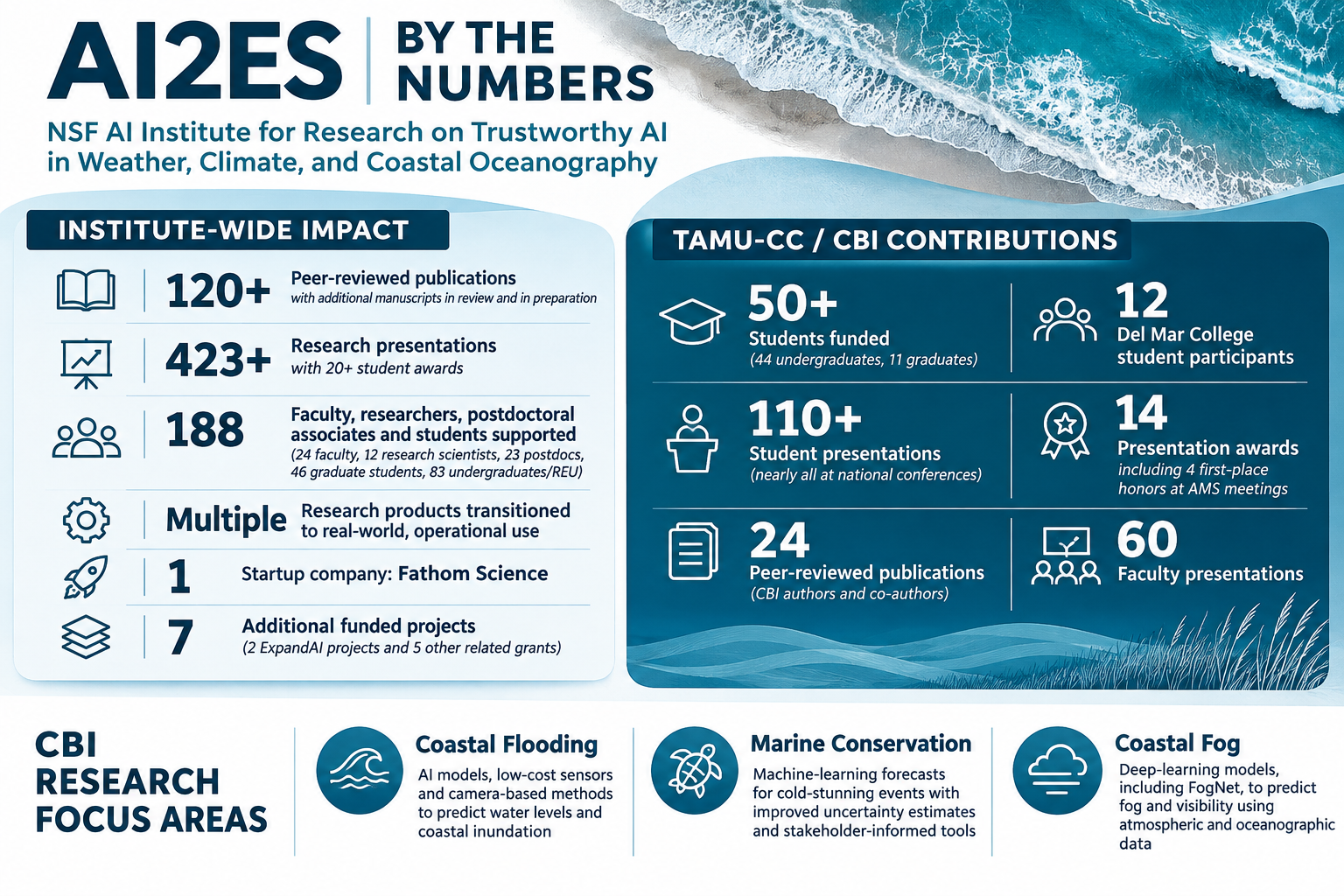
At TAMU-CC and CBI, more than 50 students received research funding, including 44 undergraduates and 11 graduate students. Twelve participants came from partner institution Del Mar College, while 34 student researchers had roots in the Coastal Bend.
CBI-supported students delivered more than 110 first-author research presentations, nearly all at national conferences, earning 14 presentation awards, including four first-place honors at American Meteorological Society (AMS) annual meetings. CBI-affiliated faculty delivered an additional 60 presentations, while university researchers and students authored or co-authored 24 peer-reviewed publications.
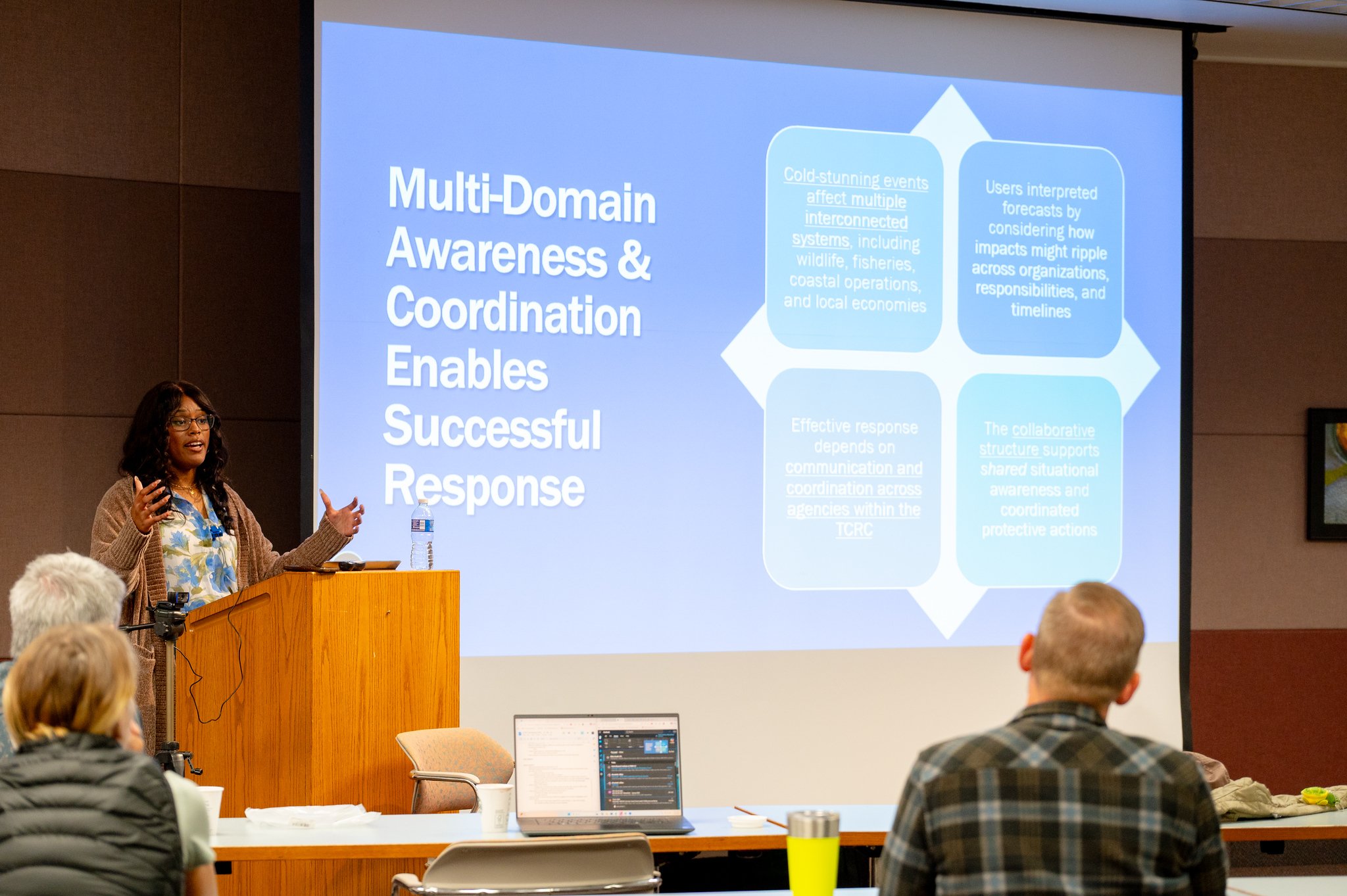
Beyond these accomplishments, the initiative helped students develop technical expertise, communicate scientific findings, and contribute to advancing research with real-world applications, preparing them for careers across scientific and technological disciplines. Reflecting on the initiative, Tissot described AI2ES as "the project of a lifetime with the team of a lifetime," citing its exceptional leadership, scientific productivity, and direct impact across government and the private sector.
A Lasting Legacy of Research and Innovation
CBI's contributions were part of a broader national effort that produced more than 120 peer-reviewed publications, over 423 research presentations and more than 20 student awards, a majority of which were from TAMU-CC. Across its partner institutions, AI2ES supported faculty, research scientists, postdoctoral researchers and students while transitioning multiple AI-based products into operational use. The initiative also contributed to the establishment of startup company Fathom Science and helped generate seven additional funded research projects.
Although the original initiative has concluded, its impact continues through the technologies developed, partnerships established and scientists trained throughout its six-year duration. For CBI, AI2ES reinforced the institute's decades-long leadership in AI with the goal to develop data-driven solutions for coastal challenges, while demonstrating the significant contributions Coastal Bend researchers and students can make to nationally-recognized scientific initiatives.
The project's enduring legacy lies not only in its research achievements, but also in the next generation of scientists equipped to apply AI and innovative thinking to the environmental challenges of tomorrow.