
When winter brings rapid drops in temperature to the Texas coast, the potential impacts to marine life can be sudden and severe. In bays and estuaries like the Laguna Madre, a shallow body of water in South Texas between the mainland and barrier islands, water temperatures can plummet quickly, reaching levels low enough to cause endangered sea turtles and fish to become “cold-stunned,” leaving them unable to feed or swim.
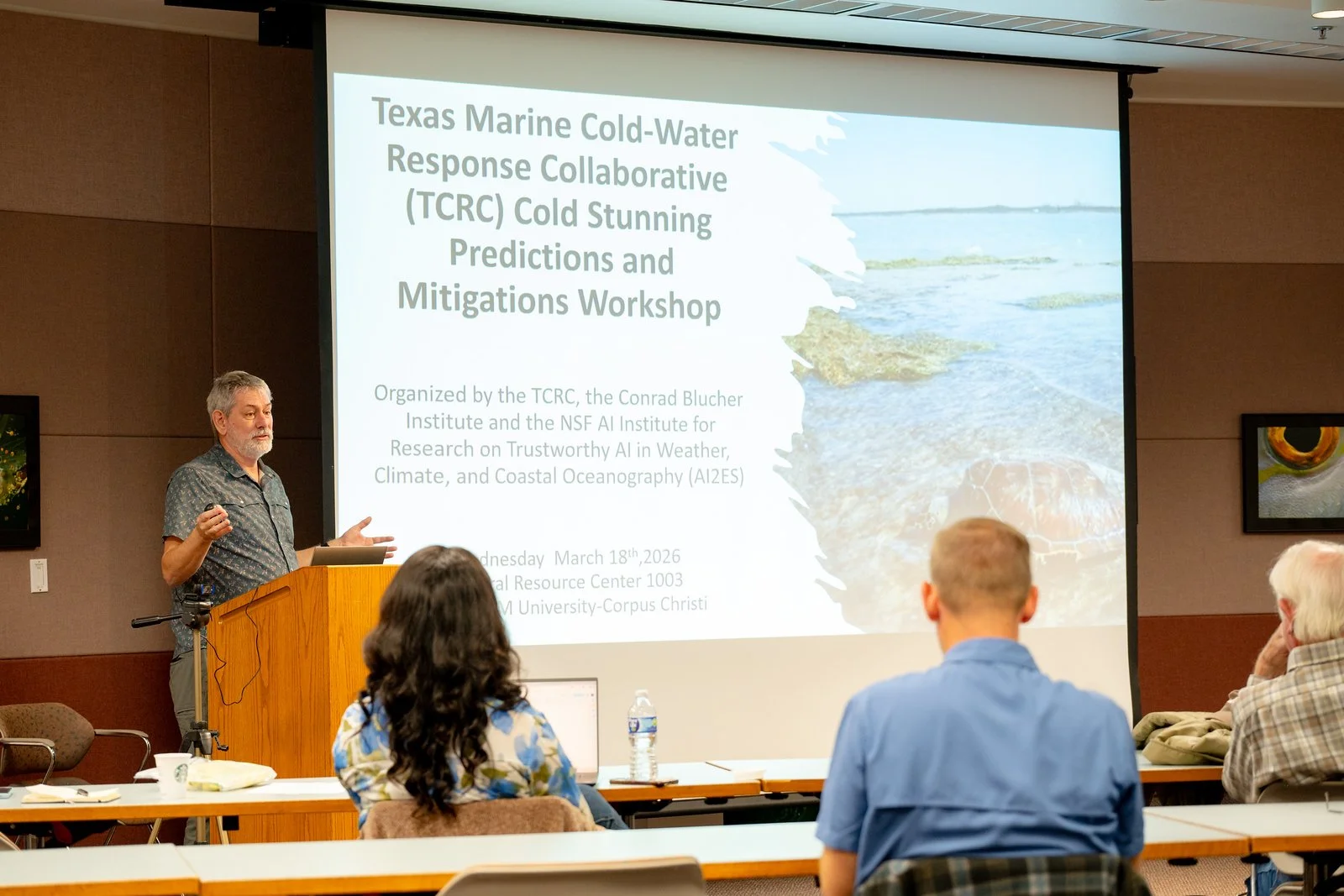
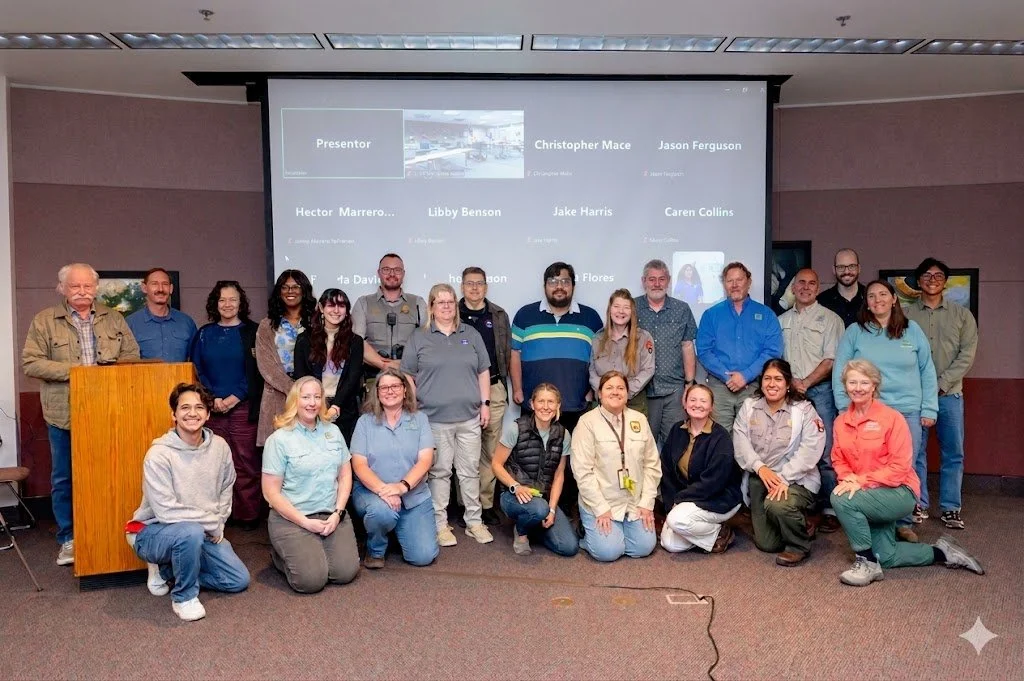
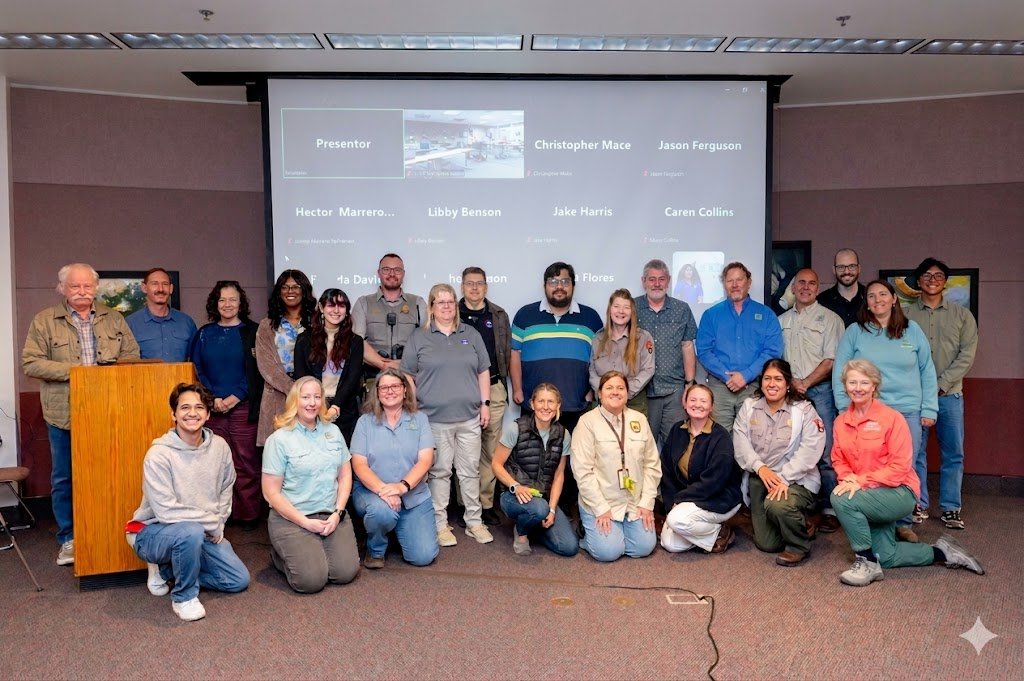
A recent workshop hosted by the Conrad Blucher Institute for Surveying and Science (CBI) at Texas A&M University-Corpus Christi (TAMU-CC) brought together members of the Texas Marine Cold-Water Response Collaborative (TCRC), a voluntary network whose mission is to minimize the impact of cold-stunning events on marine species. Its members include local, state, and federal authorities, researchers, private industry, rescue nonprofits, and volunteers.
Though TCRC’s efforts primarily center on mitigating the impact of cold stunning events on fisheries and sea turtles in the Laguna Madre, its interests span the entire Texas coast. During cold stunning events, the group coordinates targeted rescue operations and voluntary pauses in commercial navigation and coastal engineering activities. These temporary pauses, made possible through the collaboration of members such as the Gulf Intracoastal Canal Association (GICA), the U.S. Coast Guard, Texas Parks and Wildlife, and local industries, helps balance critical conservation efforts with the region’s economic needs, including impacts on the supply chain.
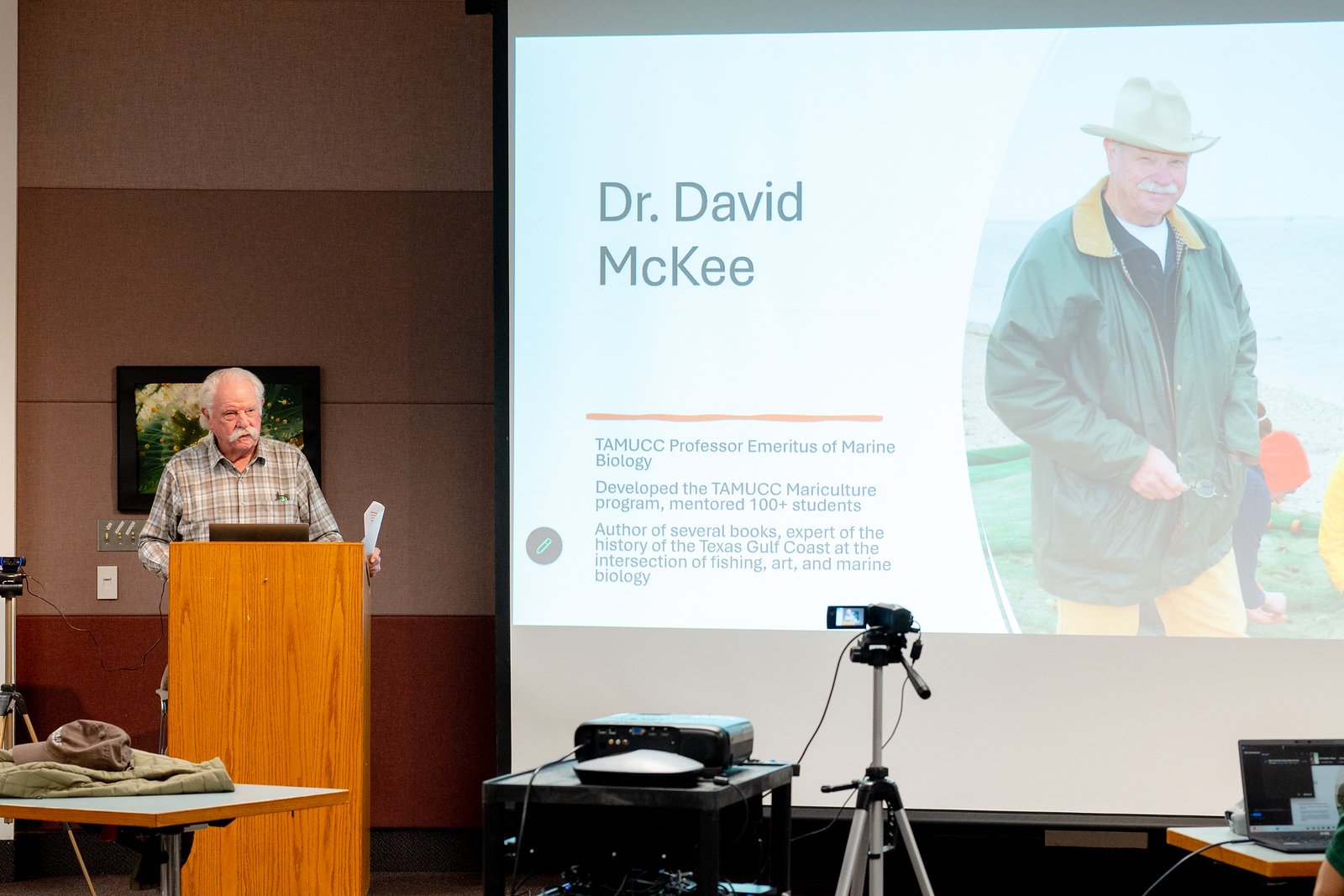
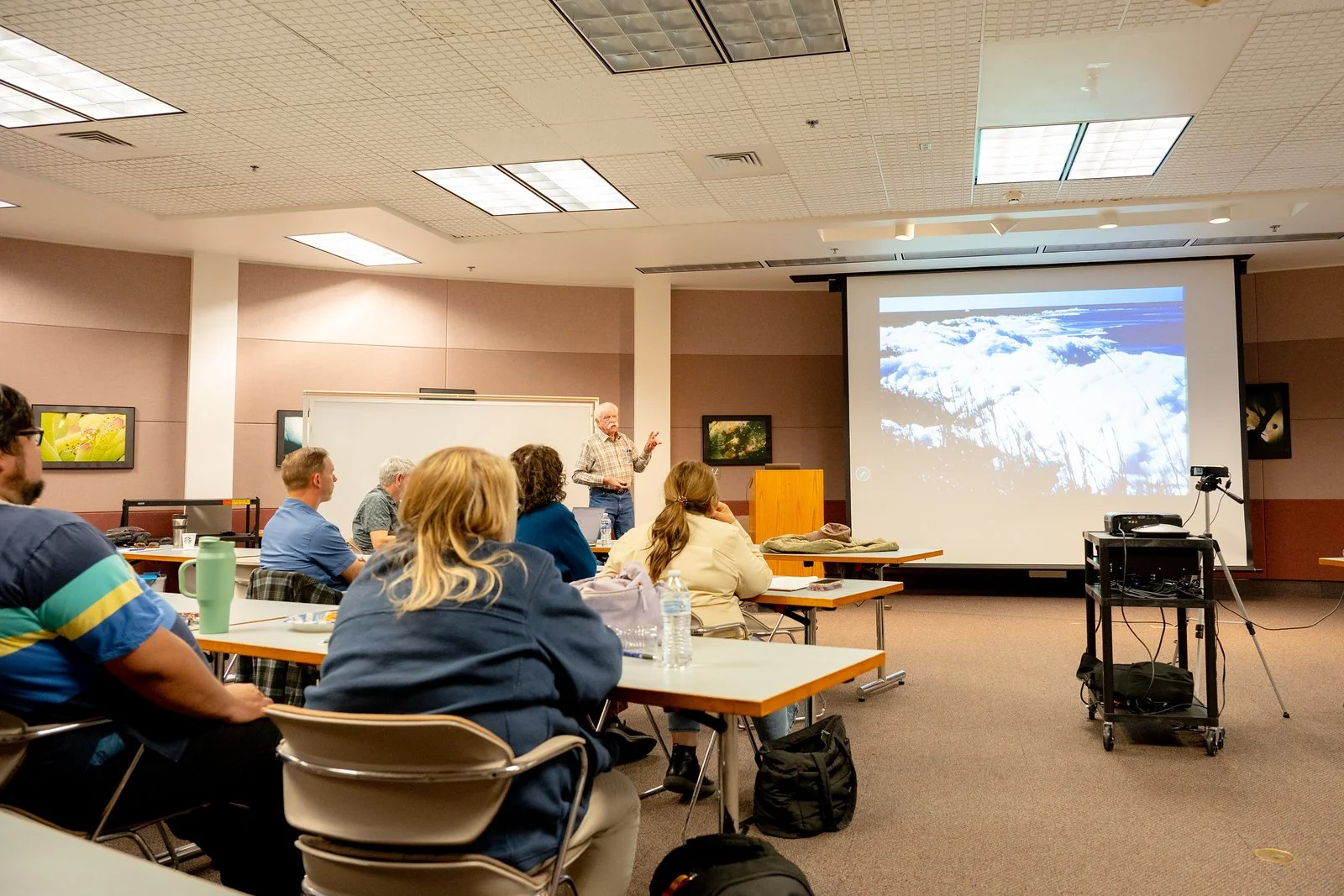
Integral to TCRC’s effectiveness are the AI-powered cold stunning models developed by CBI that are used to predict water temperature changes in the Laguna Madre and Espiritu Santo Bay up to five days in advance. These models offer crucial lead time, enabling stakeholders to make informed recommendations about when to halt navigation and mobilize rescue teams. Empowered by these AI predictions, TCRC’s guidance has become an essential resource during cold-stunning events.
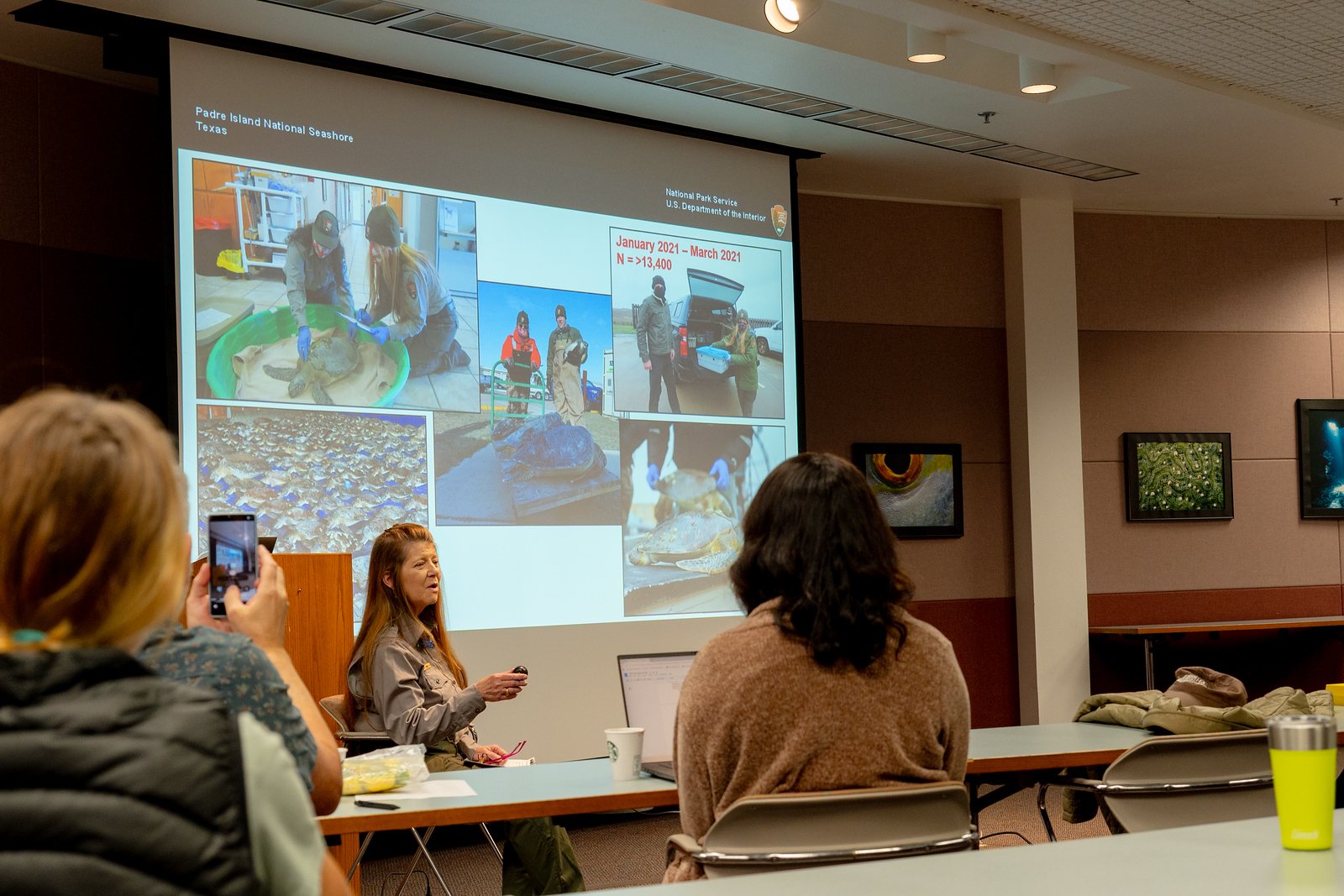
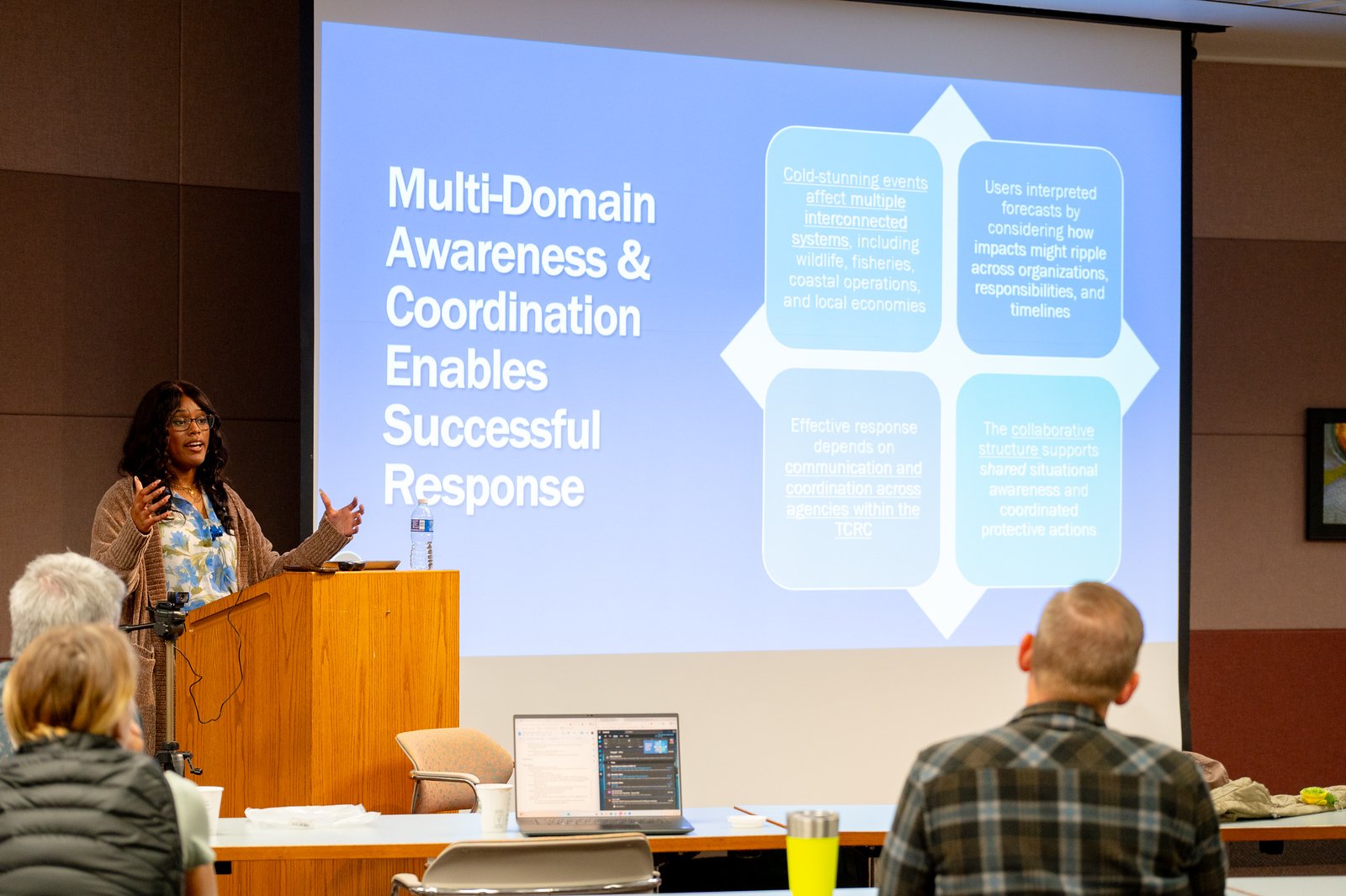
“The proactive spirit and dedication of this diverse group has enabled us to navigate difficult decisions during extreme events,” said Dr. Philippe Tissot, CBI Chair for Coastal Artificial Intelligence and Co-PI for the NSF AI2ES Institute. “It’s also provided an invaluable opportunity to deploy and refine advanced AI models—first introduced in 2009—which have helped us study how stakeholders interact with technology so we can continue making improvements that guide collective decisions.”
CBI’s cold stunning predictions were central to rescue efforts during the January 2026 cold-stunning event. When models predicted water temperatures would drop below critical thresholds, CBI worked with the National Weather Service-Corpus Christi to share updates and TCRC members to coordinate emergency communications. The collaborative response enabled timely, targeted action that helped rescue more than 1,300 endangered sea turtles from chilly waters.
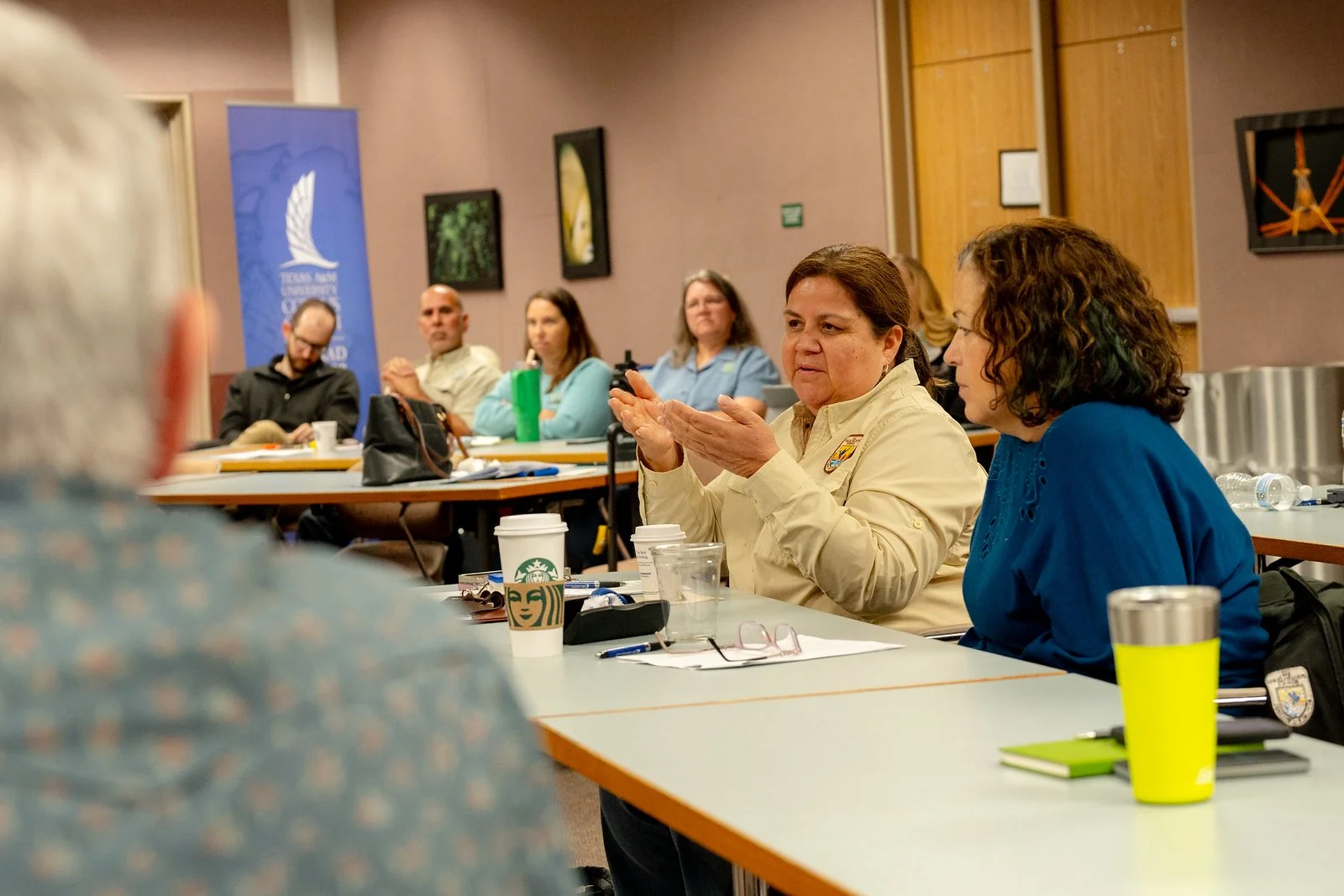
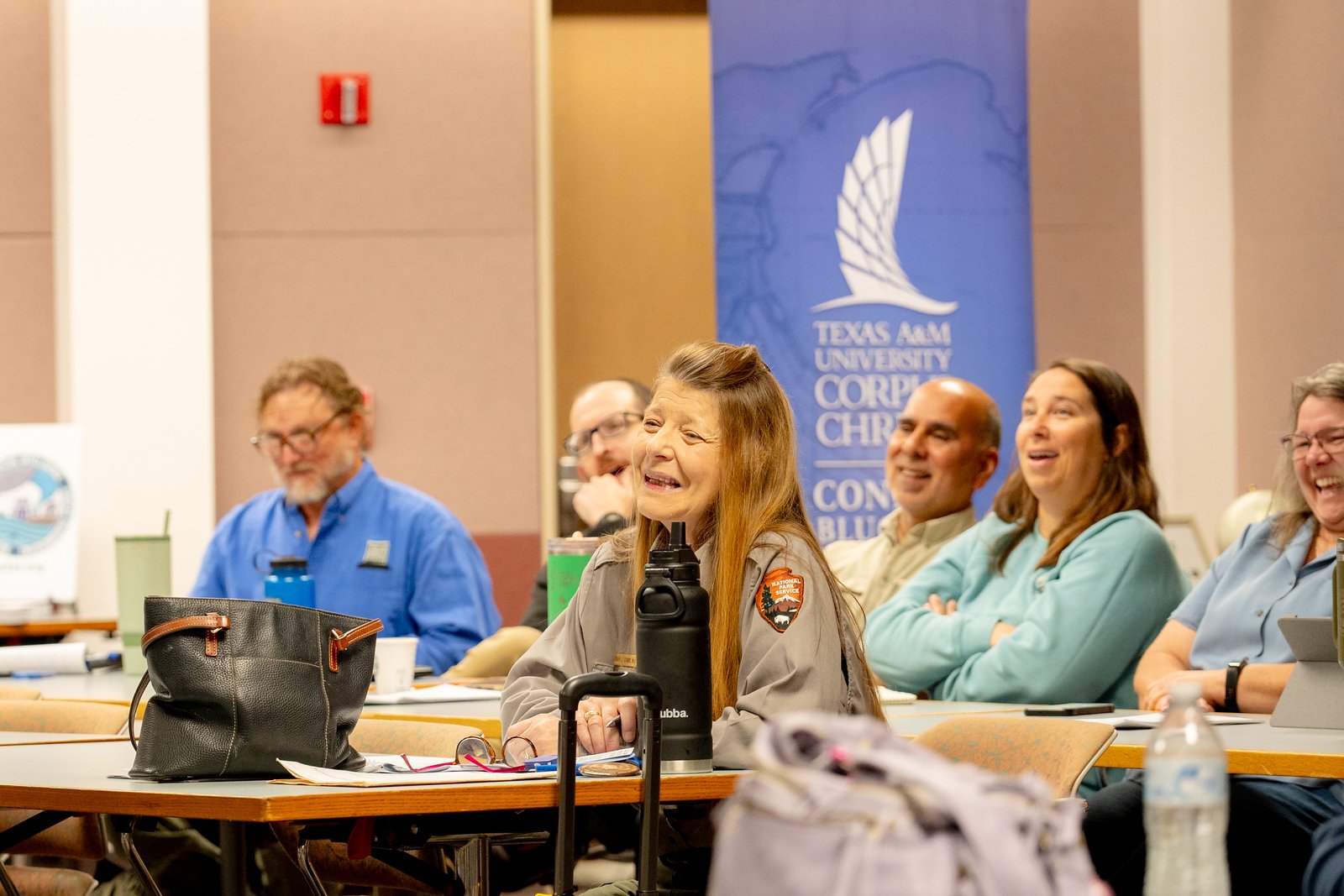
At the workshop, TCRC members reflected on lessons learned from past cold-stunning events and explored new and enhanced prediction models, including a new model developed for Espiritu Santo Bay that will provide improved guidance to Texas bays north of the Laguna Madre. The workshop concluded with thoughtful planning and discussions about TCRC’s future operations.
By fostering trust and collaboration among scientists, agencies, industry, and conservationists, TCRC serves as a model of resource management that balances environmental stewardship with economic resilience. With continued innovation and teamwork, the collaborative’s efforts promise a hopeful future for Texas’ coastal ecosystems for generations to come.